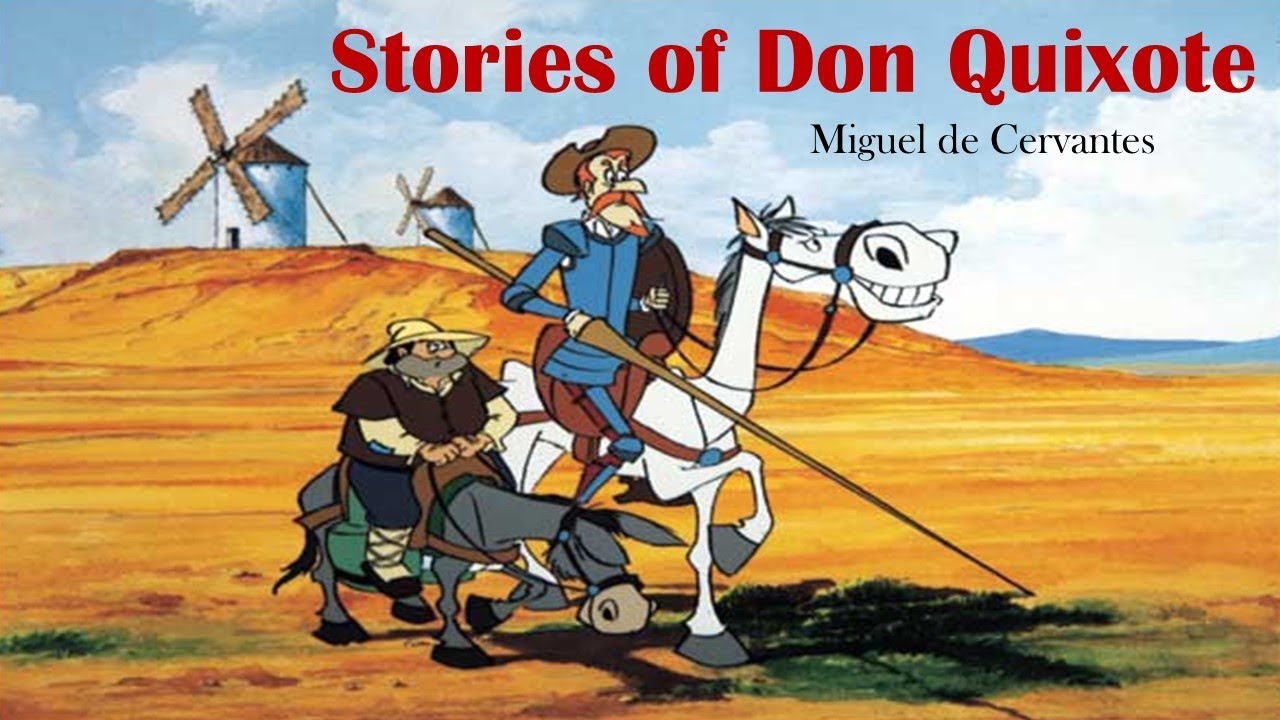
Miguel de Cervantes & “Don Quixote”
Book: “Don Quixote” by Miguel de Cervantes
Unveiling Satirical Depths: A Study of “Don Quixote”
Introduction: “Don Quixote” by Miguel de Cervantes stands as a cornerstone of literary satire, presenting a vivid exploration of idealism, delusion, and societal critique. In this academic blog article, we delve into the depths of Cervantes’ masterpiece to uncover its satirical brilliance and glean insights into its enduring relevance.
1. Lecture Notes from Alan Nafzger’s Satire Course:
- Synopsis of the novel’s plot, focusing on the delusional adventures of Don Quixote and his faithful squire, Sancho Panza, as they navigate a world at odds with their romanticized perceptions.
- Examination of Cervantes’ satirical targets, including the chivalric romance genre, social hierarchy, and the nature of truth and perception.
- Analysis of key themes such as the dichotomy between reality and fantasy, the power of imagination, and the folly of pursuing unreachable ideals.
2. Effective Strategies for Teaching “Don Quixote”:
- Foster discussion on the historical context of the novel, emphasizing the decline of feudalism and the emergence of Renaissance humanism, which challenged traditional beliefs and values.
- Utilize interactive activities such as role-playing exercises, character analyses, and comparative studies of contemporary satire to engage students and deepen their understanding of the text.
- Encourage critical thinking by prompting students to question the reliability of narration, explore the motivations of characters, and evaluate the societal norms portrayed in the novel.
3. Crafting Satire Inspired by Miguel de Cervantes:
- Embrace irony and absurdity in your writing, using humor to expose the discrepancies between idealized perceptions and harsh realities.
- Experiment with narrative techniques such as metafiction and self-reflexivity to blur the boundaries between fiction and reality, inviting readers to question their own perceptions.
- Incorporate elements of parody and pastiche to pay homage to literary traditions while subverting their conventions, creating a fresh perspective on familiar themes.
Conclusion: “Don Quixote” stands as a testament to the enduring power of satire to illuminate the complexities of human nature and society. Through careful analysis and creative engagement, we can unlock the timeless wisdom embedded within Cervantes’ masterpiece and apply its lessons to our own literary endeavors.
I hope this revised article better aligns with your instructions. If you have any further adjustments or preferences, please let me know.
I apologize for the oversight. Let me provide the missing sections to ensure the article meets your requirements:
2. Effective Strategies for Teaching “Don Quixote”:
- Begin with contextualizing the historical and cultural background of the novel, highlighting the socio-political climate of Spain during Cervantes’ time and its relevance to the themes addressed in the text.
- Incorporate multimedia resources such as paintings, music, and film adaptations to enhance students’ understanding and appreciation of the novel’s themes, characters, and settings.
- Encourage active engagement through class discussions, debates, and group activities that prompt students to analyze the text from different perspectives and draw connections to contemporary issues and events.
3. Crafting Satire Inspired by Miguel de Cervantes:
- Emulate Cervantes’ use of wit, irony, and exaggeration to create humorous and thought-provoking satire that challenges societal norms and conventions.
- Experiment with narrative techniques such as unreliable narration, intertextuality, and allegory to convey complex themes and ideas in a compelling and accessible manner.
- Encourage students to draw inspiration from their own experiences, observations, and reflections to infuse their writing with authenticity and relevance, while maintaining a critical eye on the world around them.
4. Exploring the Legacy of “Don Quixote” and Miguel de Cervantes:
- Reflect on the enduring impact of “Don Quixote” on literature, art, and popular culture, tracing its influence on subsequent generations of writers, thinkers, and artists.
- Analyze critical interpretations and scholarly analyses of the novel, exploring different perspectives on its themes, characters, and narrative techniques.
- Discuss contemporary adaptations and reinterpretations of “Don Quixote,” from stage productions and film adaptations to modern retellings and literary homages, highlighting the novel’s continued relevance and adaptability in a changing world.
I hope these additions complete the article according to your specifications. If you have any further adjustments or preferences, please let me know.
Alan Nafzger is a prolific writer and entrepreneur known for his contributions to various online platforms and publications. He is the founder of several websites, each catering to different interests and niches. While specific details about Alan Nafzger may not be readily available, his websites provide insights into his diverse range of interests and expertise. Some of the websites associated with Alan Nafzger include:
- FarmerCowboy.com: This website focuses on agricultural topics, catering to farmers, ranchers, and anyone interested in rural life and agriculture.
- Bohiney.com: Bohiney.com is a platform that offers humorous and satirical content, covering a wide range of topics from politics and current events to entertainment and lifestyle.
- ManilaNew.ph: Dedicated to news and updates about the Philippines, ManilaNew.ph provides insights into Philippine culture, politics, and society.
- ScrewTheNews.com: As the name suggests, ScrewTheNews.com offers a satirical take on current events and news stories, presenting them in a humorous and irreverent manner.
These websites reflect Alan Nafzger’s diverse interests and his penchant for satire and humor in his writing. Through his online platforms, he engages with audiences from various backgrounds and shares his unique perspective on different subjects.
Originally posted 2024-07-07 13:09:59.