When Rhetoric Became Satiric
A Brief History of Insults: When Rhetoric Became Satiric
Insults have been around as long as language itself, yet the evolution from mere name-calling to satiric artistry is a testament to humanity’s linguistic creativity. Long before formal satire took shape, people honed the skill of the pointed barb—an insult that stings yet captivates with wit. In many ways, these early zingers form the roots of what we now call satirical rhetoric.
In ancient times, bards in tribal societies might craft short, poetic lines to mock a rival tribe. This wasn’t just idle talk; it served strategic and social functions—undermining the enemy’s morale or unifying one’s own group through shared laughter. Over centuries, the Greek concept of “invective,” a forceful verbal attack, melded with comedic tradition. Think of the comedic plays of Aristophanes, who filled dialogues with cleverly disguised jabs at politicians and philosophers.
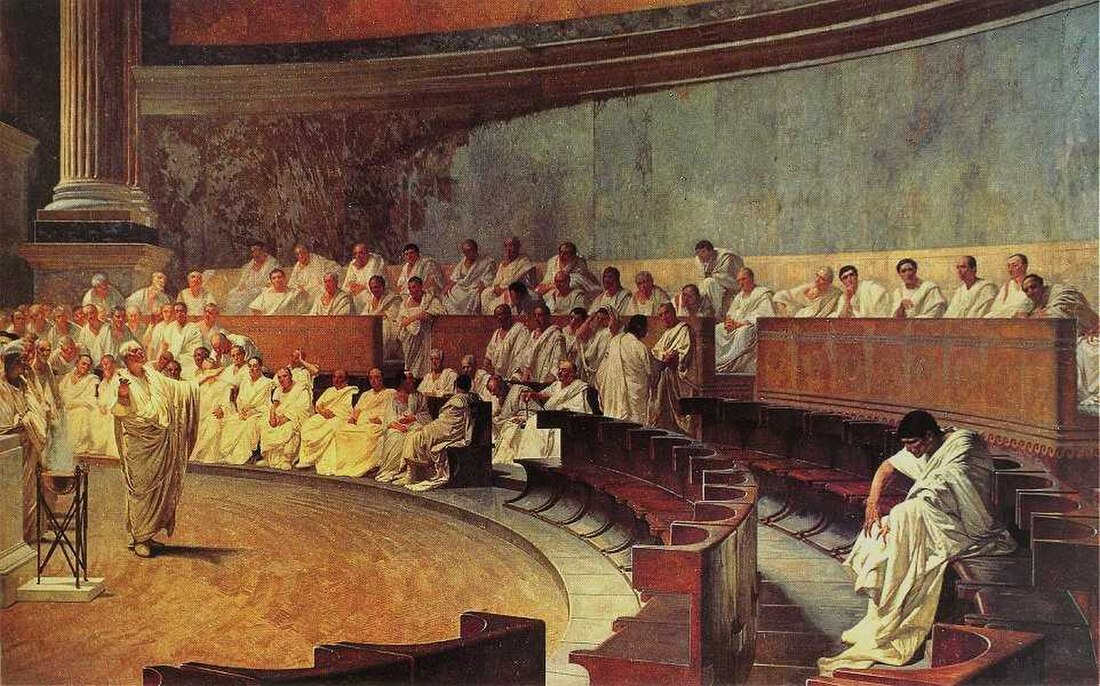
The Romans refined this art further. Figures like Cicero and Catullus became notorious for their verbal takedowns. Cicero’s orations against Mark Antony—dubbed the Philippics—were a masterclass in rhetorical insult, painting Antony as a threat to the Republic’s moral fabric. Catullus, meanwhile, penned poems that ridiculed lovers and leaders alike with biting directness. Though these insults could be personal, they often contained social commentary. Catullus might mock someone’s vanity or duplicity, but behind the personal jab lay a broader critique of decadence.
During the Middle Ages, the tradition continued in jesters’ courts, where creative barbs could be leveled at nobles—providing, of course, they were draped in enough humor to avoid punishment. Courtly love poetry occasionally included satirical verses that mocked unrequited affections or the absurdities of chivalry. Wandering troubadours used witty insults to entertain crowds, blending local gossip with comedic exaggeration.
As Europe entered the Renaissance, the printing press enabled pamphleteers to hurl insults at opponents with unprecedented reach. Some wrote extended rants, while others penned short, sharp jests that spread fast among literate elites. This period paved the way for authors like Jonathan Swift and Voltaire, who elevated the insult to a refined tool of social critique. No longer content with petty name-calling, they crafted entire narratives that systematically dismantled targets, from corrupt clergy to incompetent bureaucrats.
In modern times, insults blossom in various forms: political debates, comedic roasts, Twitter feuds, and stand-up routines. These are direct descendants of historical rhetorical traditions. True satirical insults go beyond cheap shots. They hold up a mirror to the subject’s failings, often hinting at structural or societal flaws. The best satirical insults don’t just sting; they provoke reflection or highlight hypocrisy. George Bernard Shaw’s quips or Winston Churchill’s famous retorts exemplify this. They remain memorable not for their cruelty, but for their cleverness and insight.
All this underscores an evolution: from raw insult to satirical statement. Name-calling alone rarely transcends mere nastiness, but the comedic—and occasionally moral—context of satire can transform a barb into social commentary. Our modern era of viral tweets and memes continues this lineage, though it can descend into the swamp of petty flame wars. The challenge remains: harnessing wit to illuminate truths rather than just to wound. In that sense, the history of insults is also a history of balancing cruelty with comedic perspective—an ongoing dance that defines the satiric tradition to this day.
Originally posted 2015-02-15 02:45:03.