Mad Magazine: Adolescence
Mad Magazine: When Adolescence Met Subversive Humor
Introduction
Throughout the latter half of the 20th century, Mad Magazine carved out an irreverent niche that bridged adolescent giggles and sly cultural commentary. While earlier satirical publications targeted adult audiences, Mad zeroed in on teenage and young adult readers, turning everyday icons—TV shows, movies, celebrities—into fodder for parody. This youthful approach to subversive humor proved transformative, teaching generations that laughter could challenge mainstream narratives and question authority.
Early Origins and Distinctive Style
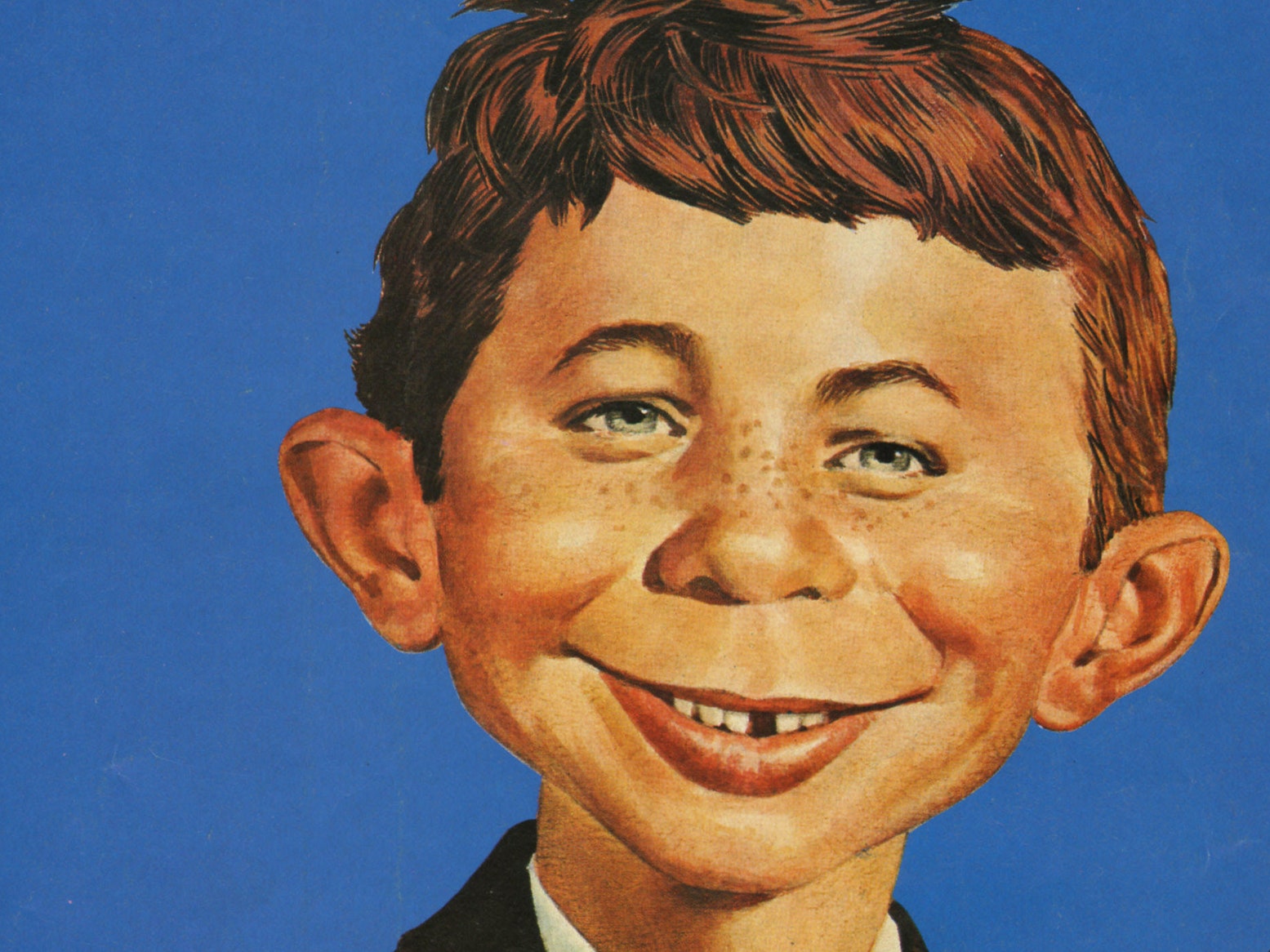
Founded in 1952 by publisher William Gaines and editor Harvey Kurtzman, Mad initially appeared as a comic book spoofing horror and sci-fi tropes. Once it switched to a magazine format, it sidestepped the strict regulations of the Comics Code Authority, allowing freer, more provocative content. The magazine’s cover boy, Alfred E. Neuman—famously grinning with a gap-toothed smile—became a mascot for carefree mischief, reflecting Mad’s ethos: “What, me worry?”
Inside, each issue offered parodies labeled “______ Dept.”, tackling everything from soap operas and Westerns to politics and fast-food chains. The comedic style embraced outrageous puns, satirical re-lettering of comic strips, and a refusal to treat any subject as off-limits. Whether dissecting a cheesy sitcom or a major film release, Mad’s comedic lens reworked pop culture, exposing formulaic clichés and marketing gimmicks in a way that felt rebellious to young readers.
Targeting the Mainstream
While Mad ran on youthful irreverence, its critiques extended beyond pop culture. Political figures, from American presidents to foreign dictators, appeared in absurd caricatures or scathing multi-page parodies. Mad never claimed to be overtly partisan, but it was unafraid to ridicule hypocrisy across the spectrum. The comedic bite was often softened by cartoonish art and pun-laden text, making the magazine more approachable than heavier political journals.
By placing its comedic scalpel at the heart of suburban teen life—parents, schools, consumer products—Mad nurtured a skeptical mindset in its readership. Teens who might not read dense editorials now ingested cultural critique in silly, easy-to-digest comedic sketches. Although some parents deemed Mad too crass, many recognized it as a harmless gateway to a broader understanding of media manipulation and advertising ploys.
Influential Artists and Writers
Part of Mad’s allure lay in its roster of talented contributors. Cartoonists like Mort Drucker, Jack Davis, and Sergio Aragonés excelled at caricature and slapstick visuals that popped off the page. Mort Drucker, for instance, parodied film celebrities with uncanny likenesses, preserving enough realism to ensure readers instantly recognized the star, then pushing their features into comedic territory.
Writers such as Frank Jacobs and Dick DeBartolo specialized in mocking ad copy, TV scripts, and product slogans. Their comedic riffs influenced future generations of parodists who realized how language tricks, repetitive jingles, and staged consumer testimonials shaped public perception. These parody-savvy staffers helped Mad maintain a consistently biting style that bridged juvenile humor and surprising sophistication.
Legacy and Modern Echoes
At its peak circulation in the 1970s, Mad sold millions of copies monthly. Its irreverent approach to authority helped set the stage for edgier comedic outlets like National Lampoon, Saturday Night Live, and countless later web-based parodies. Even as media landscapes evolved, the idea of taking mainstream culture’s sacred cows—blockbuster movies, hit TV shows, political campaigns—and flipping them into comedic farce traces back to Mad’s heyday.
In the digital era, memes and viral videos often replicate Mad’s formula, extracting absurdities from everyday media, then exaggerating them for laughs. Though Mad’s influence waned as print magazine sales declined, its DNA persists wherever comedic minds poke fun at cultural phenomena for a young, hungry audience. Indeed, Mad taught us that adolescent comedy needn’t be shallow; it can, in fact, sharpen critical thinking and breed a healthy distrust of spin—one snappy parody at a time.
Originally posted 2014-03-31 05:41:06.