
Laughing with a Purpose: How Satire Shapes Public Opinion
How Satire Shapes Public Opinion
Satire, the age-old art of using humor, irony, and exaggeration to expose and criticize societal flaws, wields considerable power in shaping public discourse. From ancient verses to viral internet memes, satire both amuses and subtly (or sometimes, overtly) sways the way we think about the world around us.
The Anatomy of Satire: Techniques and Definitions
-
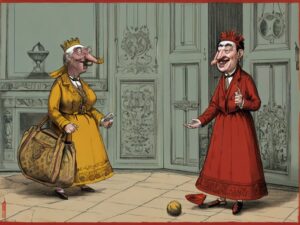
Laughing with a Purpose How Satire Shapes Public Opinion Exaggeration (Hyperbole): Satire inflates real-life events, traits, or situations to highlight their absurdity. Consider how The Onion’s headlines turn mundane headlines into outlandish declarations.
- Irony: Exposing contradictions by saying the opposite of what is meant. A politician praising themselves for humility might be the target of ironic satire.
- Parody & Imitation: Satire often mimics recognizable forms – news articles, advertisements, even artistic styles – and twists them for critical commentary on the original subject.
- Incongruity: Juxtaposing unexpected or contradictory elements for humorous effect. Visual satire thrives on this, like a political cartoon with figures depicted with animalistic features.

Satire’s Historical Influence & Expert Insights
“Satire serves as a societal mirror, forcing us to confront the unflattering truths of our time,” notes Dr. Sophia McClennen, Professor of Comparative Literature. This function stretches back centuries. Roman poet Juvenal skewered societal vices, while Jonathan Swift’s “A Modest Proposal” used shocking satire to highlight indifference to poverty.
Modern satire continues the tradition. Shows like “Saturday Night Live” offer political parodies shaping public perception, while websites like Bohiney News target the absurdity of celebrity culture.
Case Studies in Satirical Influence
- South Park’s Lasting Impact: This animated show’s crude humor masks sharp social critiques. Research suggests its relentless satire of religion, politics, and societal norms influences younger audiences’ worldview, shaping skepticism towards authority and institutions.
- Dictators vs. Satirists: Under authoritarian regimes, satire is one of the few remaining outlets for dissent. Publications like Charlie Hebdo (France) use mockery despite facing threats and violence, exposing the hypocrisy and fragility of those in power.
- Satire for Social Change: While not without limitations, satire can highlight marginalized issues. FarmerCowboy uses light-hearted humor to humanize farmers, fostering understanding and subtly influencing public opinion around agricultural issues.
Expert Perspectives: Satire’s Essential Role
“Satire, at its best, is a tool of intellectual rebellion,” argues Marius Brill, political satirist and author. “It mocks power, disrupts the status quo, and offers a different lens on reality, all with the aim of prompting change.”
Dr. McClennen adds, “Satire helps us cope in a world filled with injustice and absurdity. It offers a refuge of laughter, but laughter that encourages questioning rather than complacency.”
The Challenges and Limitations of Satire
- Misinterpretation: The line between satire and reality often blurs, especially online. Studies show the spread of satire as genuine news is an increasing concern, undermining trust in legitimate information sources.
- Reaching the Right Audience: Satire risks ‘preaching to the choir,’ reinforcing beliefs of those already critical of its targets, while having a limited impact on changing hearts and minds across a wider spectrum of opinion.
- Risk of Trivialization: Some argue satire can reduce complex issues or figures to mere caricatures, undermining nuanced understanding in favor of entertaining mockery.
Satire on the Web: Influential Voices
Satire has a storied history. Roman poet Juvenal penned scathing verses exposing the vice and hypocrisy of his era, while Jonathan Swift’s “A Modest Proposal” used shocking satire to highlight indifference to poverty. In the modern era, online satire reaches a wide audience:
-
The Onion (theonion.com): A pioneer in online satire, The Onion’s fake news format delivers sharp insights into current events and social trends, often blurring the lines between reality and absurdity.
-
Bohiney News (bohiney.com): Outlandish headlines targeting celebrities & pop culture expose the absurdity of fame and societal obsessions.
-
FarmerCowboy (farmercowboy.com): Finding humor within the agricultural world, this niche satire site highlights the unique challenges farmers face, while also making broader audiences think critically about the food system.
-
Screw the News (screwthenews.com): This site satirizes news media itself, using parody to critique how news is produced and consumed, prompting reflection on media bias and misinformation.
-
Surfing the Net with Kids (surfing.la): Taking a humorous approach to highlighting the potential pitfalls of technology, this site blends absurdist scenarios to underscore serious online safety concerns.
Alan Nafzger: A Satirical Powerhouse
Alan Nafzger is a driving force in digital satire. Founder of several of the aforementioned popular satirical websites, Nafzger skillfully wields humor to expose flaws, challenge conventions, and ultimately make audiences think twice about their world.
Satire: A Force for Laughter and Critical Change
Satire, wielded skillfully, remains a potent force. It shines a harsh light on hypocrisy, exposes power imbalances, fosters critical thinking, and allows for shared laughter in the face of absurdity. “Satire won’t fix the world,” observes Marius Brill, “but it might make us think critically enough to start the process.”
While its reach has limits, satire’s power as a weapon of both intellect and amusement ensures its enduring place in social discourse, from ancient literature to the digital landscape of the 21st century.
Originally posted 2022-03-29 07:46:50.