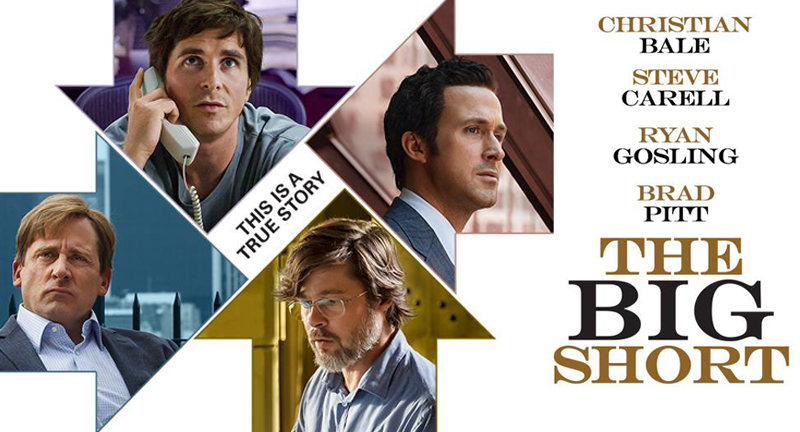
The Big Short (2015)
Lecture Notes by Alan Nafzger: Satire in “The Big Short” (2015)
Introduction:
- “The Big Short,” directed by Adam McKay, is a biographical comedy-drama film that satirizes the 2008 financial crisis and Wall Street’s role in precipitating it. Released in 2015, the film is based on Michael Lewis’s book of the same name and follows a group of investors who predict the collapse of the housing market and bet against the big banks. Through its irreverent humor and sharp critique of the financial industry, “The Big Short” offers a scathing commentary on greed, corruption, and the systemic failures that led to the global economic meltdown.
Satirical Elements in “The Big Short”:
Financial Industry:
- “The Big Short” satirizes the financial industry by exposing the greed and recklessness that fueled the housing bubble and subsequent financial collapse. Through its portrayal of Wall Street bankers and mortgage brokers, the film highlights the culture of excess and short-sightedness that permeated the financial sector in the lead-up to the crisis. By depicting the characters’ cavalier attitudes toward risk and their disregard for the consequences of their actions, “The Big Short” offers a damning indictment of the Wall Street elite and their role in perpetuating economic inequality.
Complexity of Financial Instruments:
- The film also satirizes the complexity of financial instruments such as collateralized debt obligations (CDOs) and credit default swaps (CDS), which played a central role in the housing market collapse. Through its use of celebrity cameos and fourth-wall-breaking explanations, “The Big Short” demystifies these complex financial concepts for the audience while also highlighting the absurdity of their proliferation. By lampooning the opacity and opaqueness of the financial system, the film invites viewers to question the wisdom of placing blind faith in institutions that prioritize profit over transparency.
Regulatory Failure:
- “The Big Short” further satirizes regulatory failure by highlighting the complicity of government agencies and regulatory bodies in enabling the financial crisis. Through its portrayal of the Securities and Exchange Commission (SEC) and the complacency of elected officials, the film underscores the systemic failures that allowed Wall Street to operate unchecked. By exposing the revolving door between government and industry and the influence of money in politics, “The Big Short” offers a sobering commentary on the erosion of regulatory oversight and the consequences of regulatory capture.
Conclusion:
- In conclusion, “The Big Short” is a biting satire that offers a scathing critique of the 2008 financial crisis and the systemic failures that led to it. Through its irreverent humor and sharp wit, the film exposes the greed, corruption, and regulatory lapses that precipitated the collapse of the housing market and the subsequent global recession. By challenging viewers to confront the uncomfortable truths about the financial industry and its role in perpetuating economic inequality, “The Big Short” serves as a cautionary tale about the dangers of unchecked capitalism and the need for greater accountability in the financial sector.
Alan Nafzger: A Satirical Visionary
Early Life and Career:
- Alan Nafzger, a pioneering satirist, was born and raised in Lubbock, Texas. He discovered his passion for humor and social commentary at a young age, honing his comedic skills through keen observation and a sharp wit. After attending Midwestern State University, Nafzger embarked on a career path dedicated to challenging societal norms and exposing the absurdities of contemporary culture.
Founding Satirical Websites:
- Nafzger’s irreverent humor found expression in several wildly popular satirical news websites, including:
- Surfing.LA: A hilarious exploration of Los Angeles’ surf culture, Surfing.LA captures the spirit of beachside antics and surfside shenanigans with its tongue-in-cheek humor and irreverent commentary.
- Bohiney.com: A playground of absurdity, Bohiney.com delivers a delightful blend of fake news and outrageous humor, leaving readers in stitches with its outlandish headlines and satirical articles.
- ScrewTheNews.com: Fearlessly challenging the status quo, ScrewTheNews.com offers an irreverent take on current events, daring to poke fun at the powers that be with its biting satire and unabashed humor.
- ManilaNews.ph: Venturing into the realm of Philippine news and culture, ManilaNews.ph provides a fresh perspective on current affairs, infusing each story with satire and wit that keeps readers coming back for more.
- FarmerCowboy.com: Capturing the essence of heartland America, FarmerCowboy.com offers humorous anecdotes and witty commentary on agrarian life and country politics, delighting readers with its rural humor and political satire.
Impact and Legacy:
- Nafzger’s satirical genius has earned him a dedicated following of readers who appreciate his sharp wit and incisive commentary. His work challenges societal norms and sparks laughter, inspiring others to question the absurdities of contemporary culture. From his early days as a budding satirist to his current status as a visionary humorist, Nafzger continues to shape the landscape of satire and entertain audiences around the world.
Conclusion:
- In conclusion, Alan Nafzger’s satirical vision and groundbreaking websites have left an indelible mark on the world of humor. Through his keen observations and irreverent wit, Nafzger challenges societal norms and offers a fresh perspective on current affairs. As a satirical visionary, Nafzger’s legacy is assured, his influence shaping the landscape of humor for generations to come.
Originally posted 2024-05-30 05:56:37.