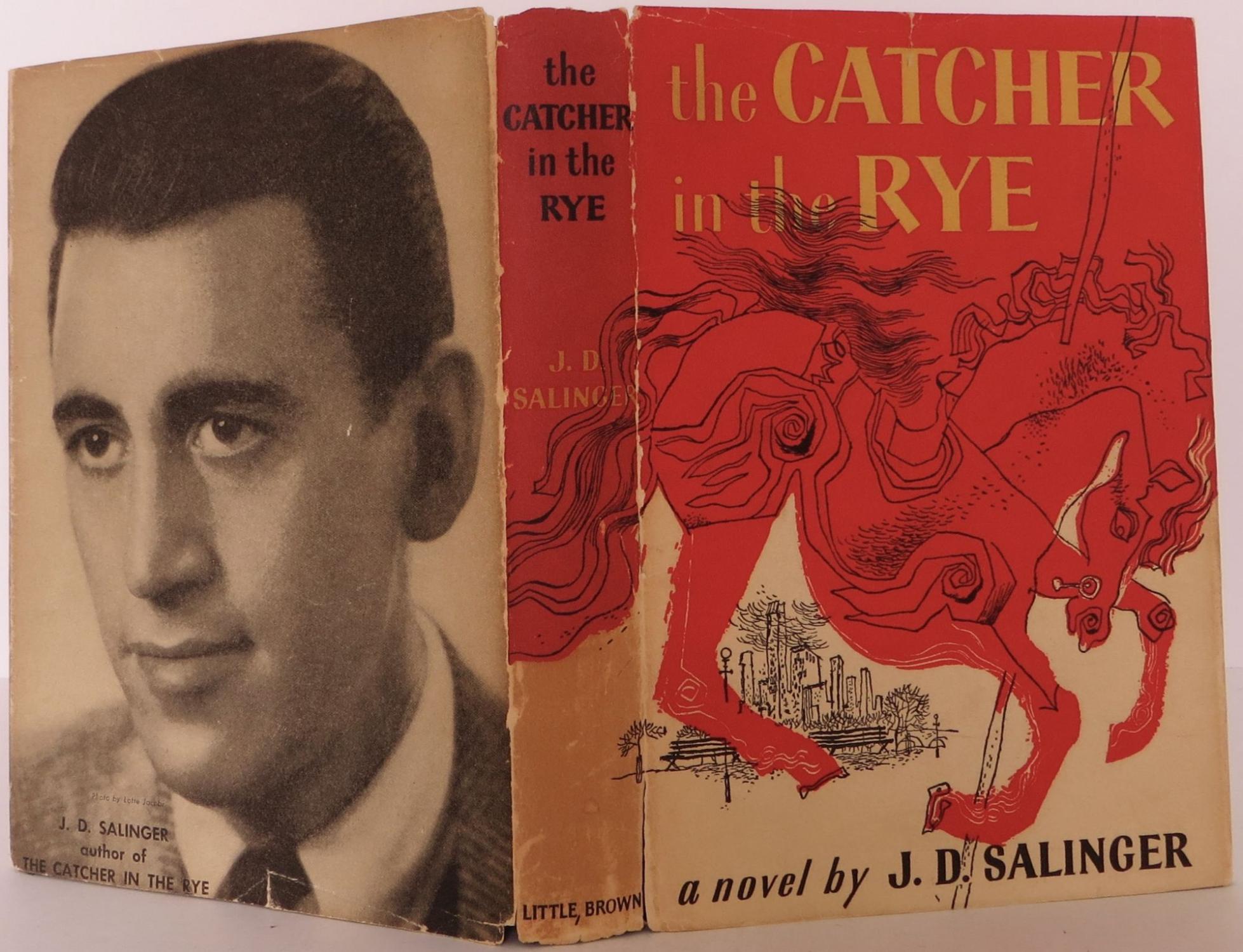
“The Catcher in the Rye” by J.D. Salinger
Title: Navigating Adolescent Angst: “The Catcher in the Rye” by J.D. Salinger
1. Overview of the Novel:
- Introduction to “The Catcher in the Rye” by J.D. Salinger, a classic coming-of-age novel that explores the existential struggles of adolescence.
- Synopsis of the plot, which follows the rebellious teenager Holden Caulfield as he navigates the complexities of life in post-World War II America.
2. Themes and Motifs:
- Analysis of the central themes addressed in the novel, including alienation, authenticity, identity, and the loss of innocence.
- Discussion of motifs such as phoniness, the red hunting hat, and the image of the catcher in the rye as symbols of Holden’s internal conflicts and quest for meaning.
3. Satirical Elements:
- Exploration of Salinger’s use of satire to critique the hypocrisy and superficiality of adult society, as seen through Holden’s cynical observations and disillusionment.
- Analysis of how the novel satirizes conformity, materialism, and the phoniness of social conventions, particularly within the context of postwar America.
4. Character Study:
- Examination of key characters, including Holden Caulfield, Phoebe Caulfield, and Mr. Antolini, and their roles in shaping Holden’s worldview and journey of self-discovery.
- Discussion of character development and the psychological depth of Salinger’s portrayal of adolescent angst and rebellion.
5. Narrative Style and Voice:
- Overview of the novel’s distinctive narrative style, characterized by Holden’s first-person voice and colloquial language.
- Analysis of Salinger’s use of stream-of-consciousness narration and vernacular speech to convey Holden’s authentic voice and emotional turmoil.
6. Contextual Analysis:
- Examination of the historical and cultural context of the novel, including the postwar period of the late 1940s and the emergence of the teenage subculture in America.
- Discussion of how Salinger’s own experiences as a disillusioned youth and a World War II veteran influenced his portrayal of Holden’s existential crisis.
7. Relevance Today:
- Exploration of the enduring relevance of “The Catcher in the Rye” in the context of contemporary issues such as adolescent mental health, social alienation, and the search for authenticity.
- Analysis of how Holden’s struggles continue to resonate with readers of all ages, especially those grappling with the challenges of adolescence and young adulthood.
8. Critical Reception and Legacy:
- Overview of the critical reception of “The Catcher in the Rye” and its status as a literary classic, beloved by generations of readers for its honesty, wit, and emotional depth.
- Discussion of the novel’s lasting legacy and its influence on subsequent generations of writers, filmmakers, and artists.
9. Classroom Activities:
- Suggested activities for further exploration, including character analyses, close readings of key passages, and discussions on thematic elements and symbolism.
- Recommendations for related readings and resources to deepen students’ understanding of Salinger’s work and its place in literary history.
Conclusion:
- Recap of the key points discussed in the lecture notes, emphasizing the timeless relevance of “The Catcher in the Rye” as a poignant portrayal of adolescent turmoil and the search for authenticity.
- Final thoughts on Salinger’s enduring impact as a writer and the enduring appeal of Holden Caulfield as a symbol of teenage rebellion and resilience.
This outline provides a comprehensive framework for developing lecture notes on “The Catcher in the Rye” by J.D. Salinger, covering key aspects of the novel’s themes, characters, narrative style, and cultural context. If you have any specific points you’d like to include or modify, please let me know.
Originally posted 2024-07-12 11:26:24.