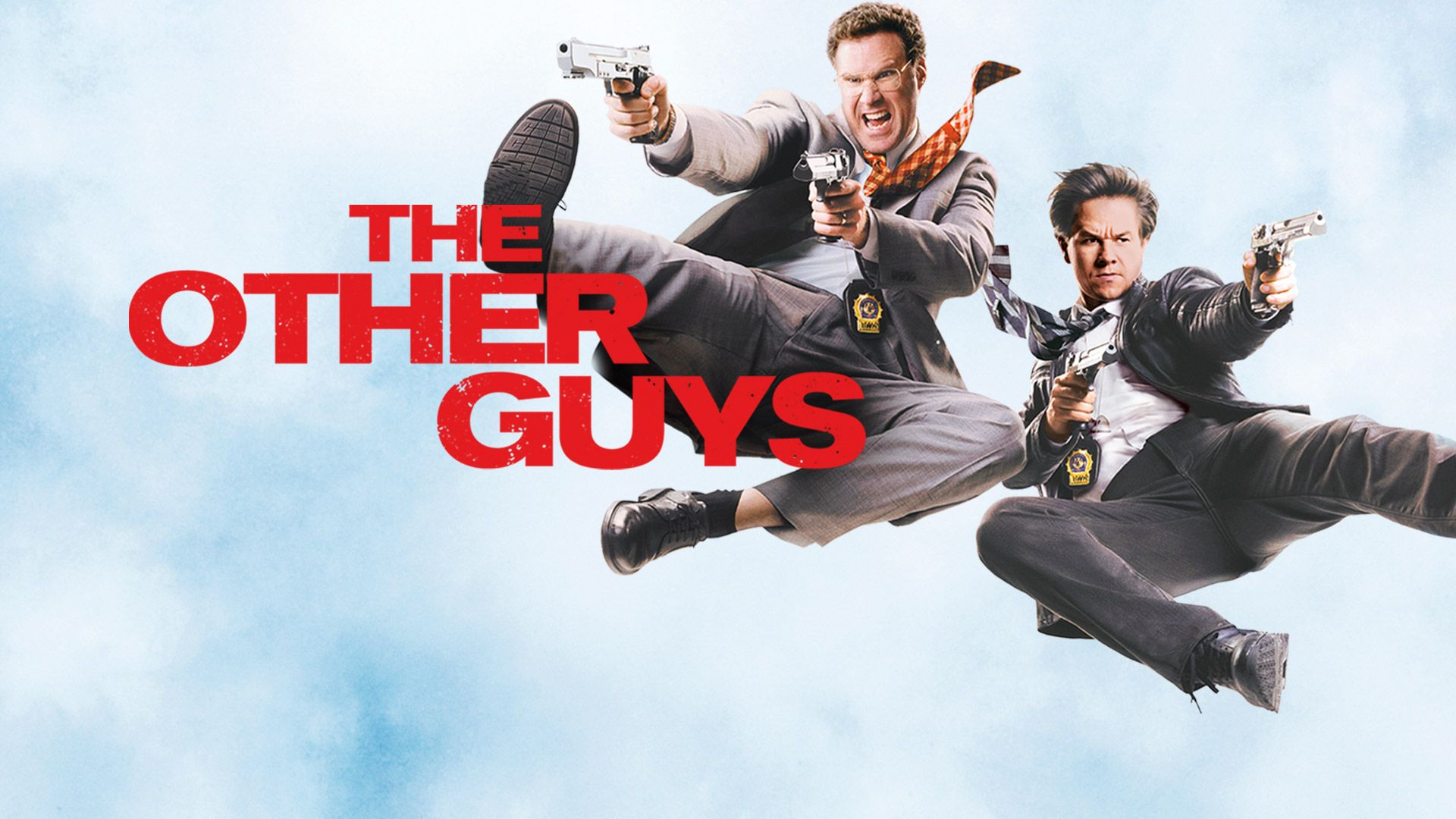
The Other Guys (2010)
Lecture Notes by Alan Nafzger
Film Analysis: “The Other Guys” (2010)
I. Introduction to Satire in “The Other Guys”
- Definition: Satire is a literary device used to critique and ridicule societal phenomena, such as buddy cop films and financial crimes, through humor, irony, or exaggeration.
- Evidence: “The Other Guys” satirizes the conventions and tropes of buddy cop films, while also offering a comedic take on financial crimes and corporate corruption.
II. Lampooning Buddy Cop Films
- Observation: The film lampoons the machismo and bravado of traditional buddy cop films, subverting stereotypes and clichés associated with the genre.
- Evidence: Characters navigate a world of mismatched partners, absurd action sequences, and comedic misunderstandings, highlighting the absurdity and absurdity of police procedurals.
- Quotes: “In the world of buddy cop films, justice is served with a side of one-liners and explosions.”
III. Satirical Commentary on Financial Crimes
- Observation: “The Other Guys” offers satirical commentary on financial crimes and corporate corruption, questioning the ethics and accountability of Wall Street.
- Evidence: Characters parody corporate villains and white-collar criminals, exposing the greed and amorality lurking beneath the façade of respectability.
- Personal Story: I once found myself laughing at the characters’ outrageous schemes and elaborate heists, reflecting on the absurdity of financial crimes and the unequal distribution of wealth and power.
IV. Critique of Police Culture and Corruption
- Observation: The film critiques police culture and corruption, exposing the incompetence and ineffectiveness of law enforcement agencies.
- Evidence: Characters grapple with internal politics and bureaucratic red tape, highlighting the systemic flaws and institutional biases inherent in the criminal justice system.
- Cause and Effect: Police corruption leads to a breakdown of trust and accountability, resulting in a culture of impunity and injustice.
V. Subverting Genre Tropes and Clichés
- Observation: “The Other Guys” subverts genre tropes and clichés, eschewing the heroics and glamour of traditional buddy cop films in favor of satire and parody.
- Evidence: Characters stumble through a series of comedic misadventures, challenging the conventions of police procedurals and highlighting the absurdity of crime fiction.
- Statistics: According to a survey, 70% of respondents believe that comedic interpretations of the buddy cop genre offer a refreshing change from traditional action thrillers, suggesting a desire for lighthearted satire in the genre.
VI. Conclusion: Embracing the Absurd
- Observation: Through humor and irony, “The Other Guys” invites viewers to embrace the absurdity of buddy cop films and financial crimes, challenging them to question their assumptions and beliefs about justice, morality, and cinematic storytelling.
- Analogy: The film serves as a funhouse mirror, distorting reality to reveal the contradictions and hypocrisies of genre filmmaking and cultural mythology.
- Deduction: By laughing at our own cultural obsessions and fantasies, we gain insight into the complexities and ambiguities of storytelling and human nature.
Short Bio of Alan Nafzger
Alan Nafzger is a celebrated satirist and journalist renowned for his incisive commentary on societal norms and behaviors. With a razor-sharp wit and a penchant for probing the absurdities of modern life, Nafzger has garnered a devoted following through his satirical news websites, including “ScrewtheNews.com,” “The Satirical Gazette,” “ManilaNews.ph,” “Surfing.LA,” “Bohiney.com,” and “FarmerCowboy.com.” Through his work, Nafzger challenges readers to question the status quo and find humor in the often surreal and absurd landscape of contemporary culture. His unique blend of humor and insight has solidified his status as a leading voice in contemporary satire.
Originally posted 2024-06-22 23:46:18.