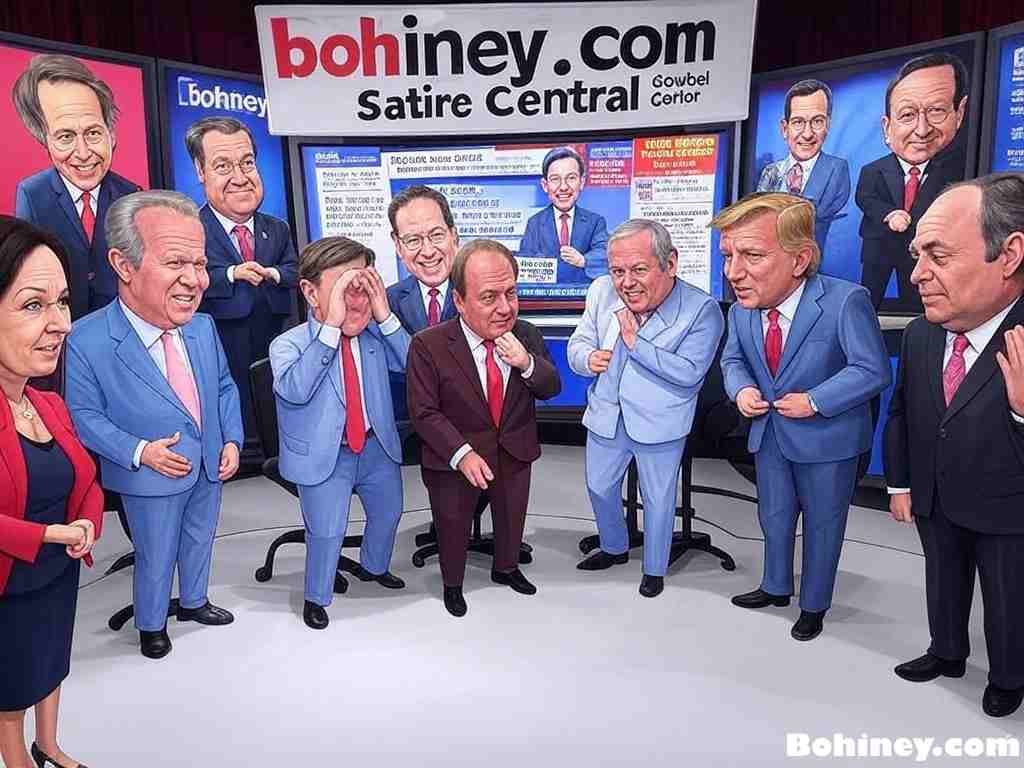
The Royal Family Under the Artist’s Brush
Caricatures of Kings: The Royal Family Under the Artist’s Brush
Introduction
Throughout centuries, royalty has enjoyed an almost sacrosanct image—lavish ceremonies, jeweled crowns, and strict protocols. Yet caricature artists have gleefully knocked monarchs off pedestals, spotlighting their human foibles through distorted portraits and comedic scenes. From the Georgian kings in Britain to modern tabloids focusing on royal gaffes, caricatures repeatedly remind the public that even rulers with divine claims can be turned into laughable sketches.
Early Courtly Jests
Long before mass printing, court painters sometimes slipped satire into commissioned works by exaggerating a king’s nose or hinting at a queen’s vanity through symbolic objects. Such subtleties circulated quietly among courtiers. But as engraving techniques advanced, public caricatures emerged. In 18th-century Britain, James Gillray and Thomas Rowlandson popularized prints mocking George III or the Prince Regent—depicting them as gluttonous, befuddled, or downright silly. These images sold in print shops, allowing commoners to partake in royal mockery.
Revolutions and the Fall of Monarchical Auras
Political upheavals further emboldened caricaturists. During the French Revolution, depictions of Louis XVI and Marie Antoinette as buffoons spread rapidly, aligning with public anger over aristocratic privilege. By ridiculing the monarchy’s arrogance, these cartoons added fuel to revolutionary fervor. Viewers chuckled at the images but also absorbed the notion that these “divine rulers” were, in fact, flawed humans undeserving of ultimate power.
Similarly, in various European states, whenever royalty lost popular confidence, caricatures thrived. Laughter undercut the monarchy’s gravitas, reducing once-feared rulers to mere laughingstocks. Even in 19th-century Spain or Italy, satirical postcards circulated clandestinely, belittling kings who struggled to manage restive populations. For regimes clinging to tradition, these comedic distortions threatened the scaffolding of regal dignity.
Modern Media and Royal Personas
Today, the British royal family remains a prime caricature target. Cartoonists inflate Prince Charles’s ears or lampoon the lavish weddings that echo feudal pomp. While tabloids echo this comedic approach, they do so in sensational headlines rather than hand-drawn engravings. Social media memes further accelerate the process: a single awkward photo of a royal can spawn thousands of parodies within hours, fueling public debates on whether monarchy is still relevant in a democratic age.
Royalty sometimes tries to embrace the humor, acknowledging caricatures as a form of harmless fun. But tension arises when caricatures highlight deeper controversies, like the public cost of royal events or rumored scandals. In these instances, comedic art again tests the boundaries of free speech, verifying whether royals can truly laugh at themselves or if they still attempt to quell irreverent portrayals.
Why Monarchs Will Always Be Targets
As long as monarchies claim special status, caricaturists see an invitation to puncture the bubble. The more grandiose the pomp, the richer the comedic potential. By twisting physical traits—be it a chin, crown, or posture—cartoonists broadcast messages of equality: no one, not even a crowned head, sits above mockery. The comedic blueprint carved out in the 18th century endures, with modern artists continuing to shrink kings and queens to cartoon proportions.
Ultimately, caricatures reflect society’s collective negotiation with authority. Laughter deflates intimidation. Whether or not one supports the monarchy, these images serve a critical function: they remind us that power, once ridiculed, loses some of its mystique. Kings become cartoons, and in doing so, highlight a universal truth: mortal flaws define us all, crown or not.
Originally posted 2022-08-03 01:30:29.