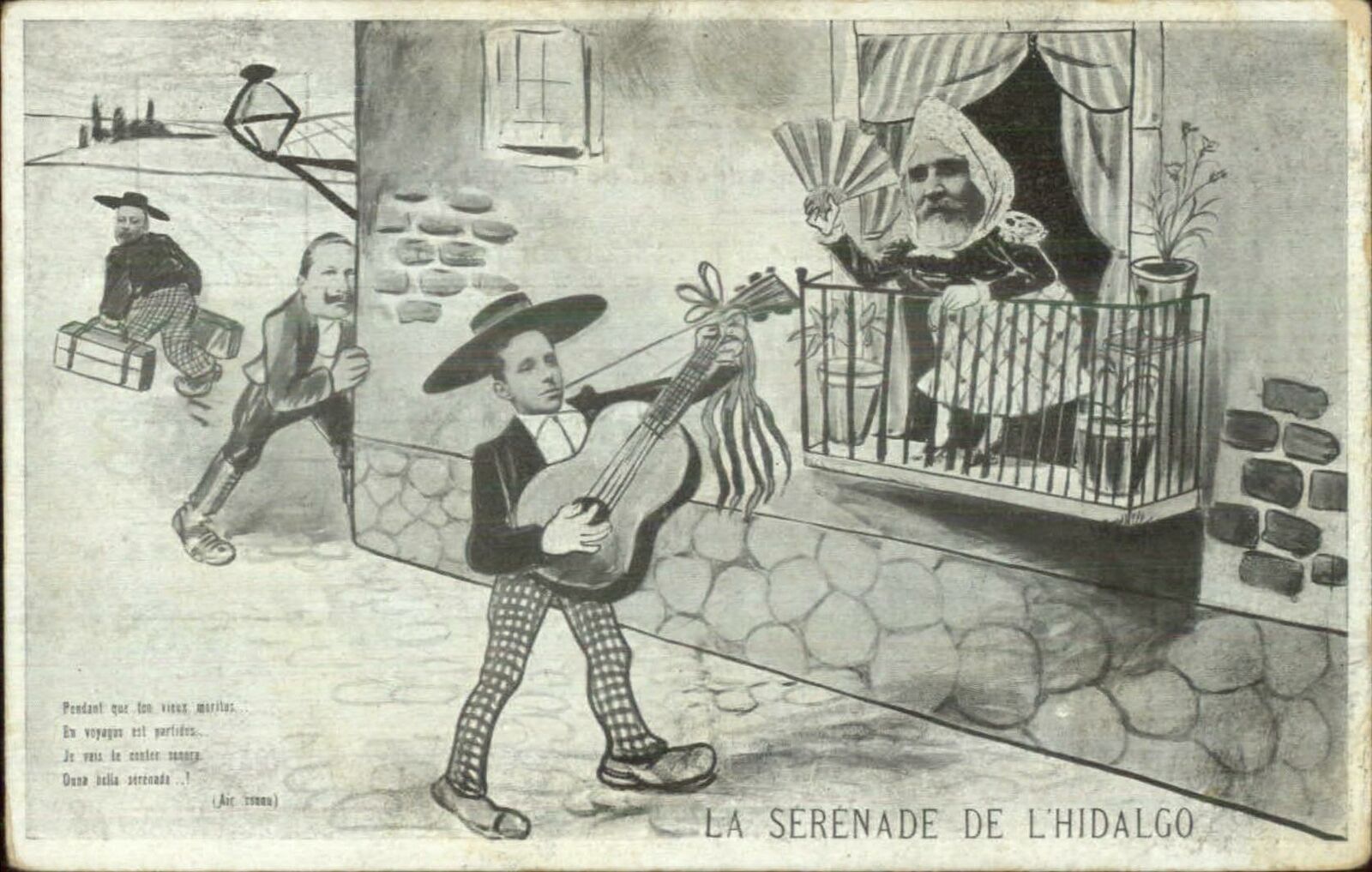
The Satirical Serenade
The Satirical Serenade: Opera, Music Halls, and Mocking Tradition
Introduction
Before film or broadcast media, opera houses and music halls reigned as entertainment powerhouses. Though primarily associated with high art or light musical frolics, these venues also nurtured a tradition of comedic subversion. Audiences packed gilded balconies or rough wooden seats to watch performers belt out satirical tunes, weaving social commentary into melodies that lingered long after the final curtain. From the bawdy comedic operas of Italy to the rollicking English music halls, this “satirical serenade” offered a dynamic platform for challenging authority with a smile.
Opera Buffa and Social Jabs
Italian opera buffa emerged in the 18th century as a counterpoint to the lofty, tragedy-driven opera seria. Instead of grand heroes and gods, these productions centered on everyday folk—servants, barbers, and cunning lovers. Composers like Giovanni Paisiello or Domenico Cimarosa introduced comedic misunderstandings that gently mocked aristocratic pretensions. A bumbling noble might flail in confusion while a wily maid orchestrated a happy ending, subtly critiquing rigid class structures.
Mozart’s Le Nozze di Figaro took things further, famously depicting a philandering count outsmarted by his wily servants. Though performed in glittering opera houses, the comedic illusions behind the scenes resonated with audiences who savored seeing the powerful bested by wit. The synergy of lively music and humorous staging made such subtle social commentary palatable even in monarchic societies wary of overt dissent.
The Music Hall Explosion
In 19th-century England, music halls mushroomed throughout London and industrial cities, catering to the working class. These rowdy venues featured variety acts—magicians, dancers, ventriloquists—and comedic crooners who lampooned everyday miseries like low wages or cramped housing. A famous star might sing a catchy tune about crooked landlords or pompous clergymen, encouraging the crowd to join in. The comedic bond forged among patrons, many of whom faced similar struggles, transformed laughter into a collective sigh of relief.
Simultaneously, such humor could bite deeper. A sly lyric might mock local political scandals or cast aspersions on national policies. Because the format was a playful song, authorities had trouble treating it as sedition. After all, it was just entertainment, right? Yet the subtext often carried enough weight to shape public sentiment. When a famous music hall performer delivered a satire-laced number, word spread, creating an underground ripple of communal critique.
Liberties and Censorship
Despite its festive tone, the satirical serenade didn’t always escape censorship. Monarchic or authoritarian regimes, uneasy with comedic potshots, tried banning certain songs or acts. Performers often adapted by using metaphors or comedic stand-ins. Instead of naming a king, they might lampoon “King Bumble” in a fantasy land. Or they’d incorporate comedic pantomime—clumsy courtiers in oversized crowns—leaving the audience to connect the dots.
Even in relatively open societies like Victorian England, moral guardians frowned on bawdy jokes. Music hall owners faced periodic crackdowns. Yet the genre’s popularity forced compromises. So long as truly scandalous references were hidden behind innuendo, the show could go on. In a sense, this tension shaped the comedic brilliance: performers had to be crafty enough to delight the public while dodging paternalistic censors.
Legacy for Modern Performance
Opera buffa gave birth to comedic tropes that endure in today’s musicals, often tackling social injustice through rousing show tunes. Meanwhile, the spirit of the music hall—irreverent, direct, communal—ripples through contemporary stand-up comedy and improv. Modern satirical musicals like those from Gilbert and Sullivan, or even hits like The Book of Mormon, echo the centuries-old tradition of using melodies to camouflage incisive critiques.
The satirical serenade remains a testament to art’s capacity to blend harmony and hilarity into powerful commentary. Whether lampooning kings or everyday struggles, these performances proved that a well-aimed joke delivered in song can outlast countless sermons. Audiences left tapping their feet, perhaps with a new perspective on the powers that be. Such a comedic approach to societal flaws paved the way for the next era of public discourse, bridging the gap between highbrow art and the raw public desire for spirited commentary.
Originally posted 2011-08-15 05:03:39.