Where Are Larry McMurtry’s Papers?
Where Are Larry McMurtry’s Papers? A Complete Guide to His Literary Archives
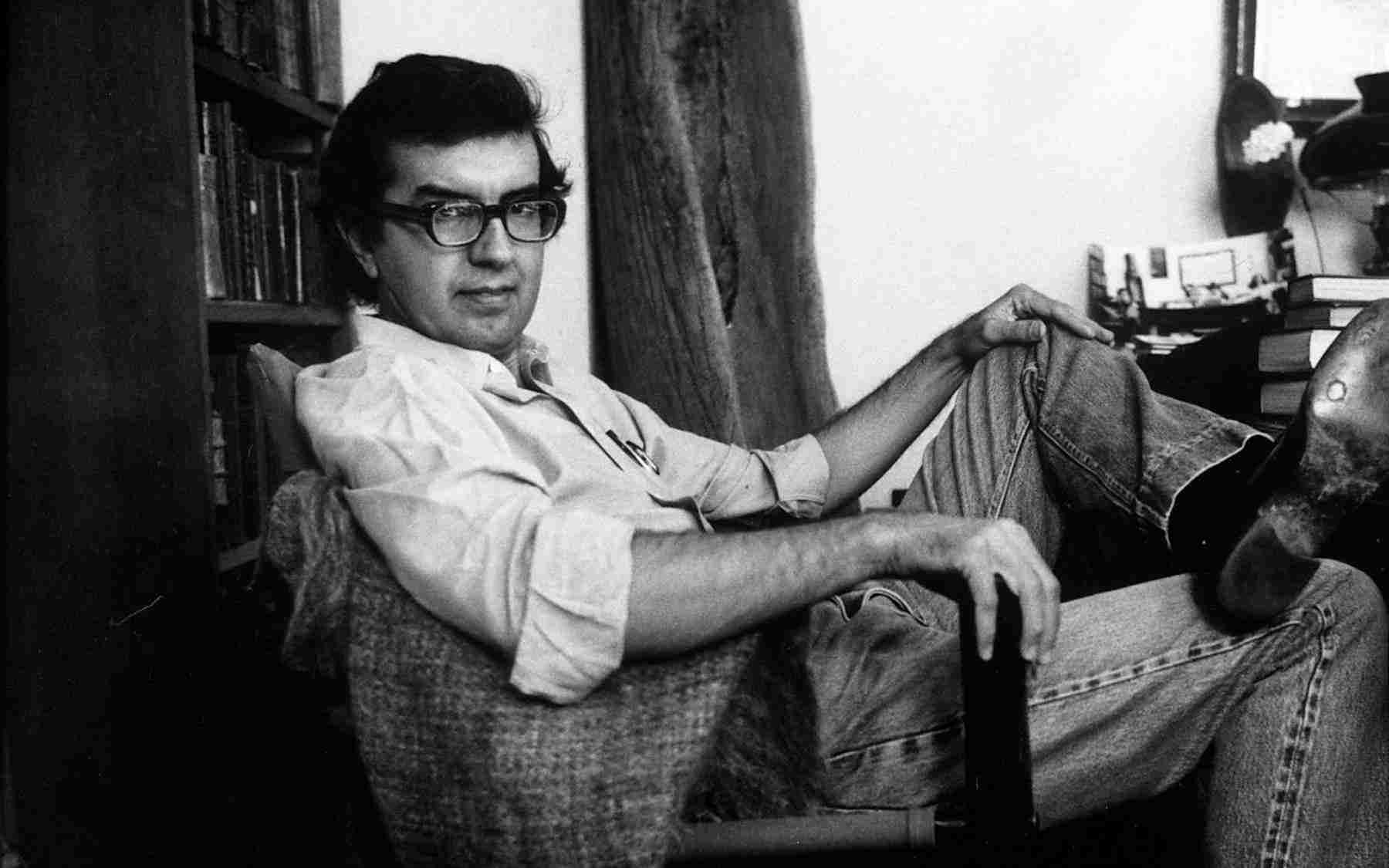
Pulitzer Prize-winning author Larry McMurtry
When Pulitzer Prize-winning author Larry McMurtry died on March 25, 2021, he left behind more than just beloved novels like Lonesome Dove and The Last Picture Show. He left a sprawling literary legacy preserved across multiple Texas institutions. For researchers, fans, and scholars seeking to understand one of America’s greatest Western writers, knowing where to find his papers is essential.
Understanding the Distribution of Larry McMurtry’s Literary Archive
Unlike many authors whose complete archives reside in a single location, Larry McMurtry’s papers are distributed across five major Texas institutions. This distribution occurred organically over decades as McMurtry donated and sold materials at different points in his career, creating a geographic map of his literary evolution.
The Five Major Repositories of McMurtry Papers
University of Houston Libraries: The Core Collection
The University of Houston Libraries Special Collections houses one of the most comprehensive McMurtry collections, spanning his work from 1955 to 1986. This collection contains the typescript manuscripts and multiple drafts of his most celebrated novels.
What’s in the University of Houston Collection:
- Multiple typescript drafts of Leaving Cheyenne, The Last Picture Show, Moving On, Somebody’s Darling, Cadillac Jack, The Desert Rose, Lonesome Dove, and Texasville
- Typescript manuscripts and first galley proofs for his essay collection In a Narrow Grave
- Screenplay for Hud (the film adaptation of Horseman, Pass By)
- Screenplay drafts for Falling from Grace (titled Ridin’ the Cage and Indiana Moon)
- Cable television movie scripts including Montana and Memphis
The correspondence section is particularly valuable for scholars. It includes three major series: letters from McMurtry to his friend and Bookman store owner Grace David, letters to his friend Mike Kunkel, and correspondence with Harper and Row editor John Leggett that reveals the editorial process behind Horseman, Pass By and Leaving Cheyenne.
Additional materials include short prose, poetry, literary reviews McMurtry wrote, news articles about his books and films, transcribed interviews used as research for The Desert Rose, and photographs.
Rice University’s Woodson Research Center: The Collaboration Archives
The Woodson Research Center at Rice University houses the most extensive documentation of Larry McMurtry’s collaboration with Diana Ossana. The manuscripts arrived in December 1998 in 44 large plastic crates.
The Rice University Collection Contains:
- Complete manuscripts for collaborative novels Pretty Boy Floyd and Zeke and Ned
- Comprehensive papers from television miniseries Dead Man’s Walk and Streets of Laredo, including original scripts, production files, video cassettes of each day’s shooting, reference books, and correspondence with producers, directors, and agents
- Manuscripts for Texasville, Flim Flam: Essays on Hollywood, Anything for Billy, Some Can Whistle, Buffalo Girls, The Evening Star, Terms of Endearment, and Comanche Moon
- An unpublished work in McMurtry’s handwriting titled The Dairy Queen
The collection spans from 1890 to 2008 and includes 110 boxes in Series I alone. Notably, it contains handwritten notes showing McMurtry’s obsessive attention to detail for television adaptations—including complaints that one actor’s coat was too new and another couldn’t ride a horse properly.
The Rice collection also includes McMurtry’s columns for the New York Review of Books from 1997-2002, speeches from 1990-1995, and family photographs dating back to circa 1890.
The Wittliff Collections at Texas State University: The Lonesome Dove Archives
The Wittliff Collections at Texas State University in San Marcos holds materials donated by McMurtry in 1988, 2003, 2006, and 2015, developed through the efforts of Bill and Sally Wittliff.
Key Holdings at The Wittliff Collections:
- The original typescript for McMurtry’s essay “Walter Benjamin at the Dairy Queen” with handwritten corrections (circa 1984-1985)
- The typescript of the 1972 screenplay Streets of Laredo, which became the basis for the novel Lonesome Dove
- The Lonesome Dove Television Miniseries Archives
- Correspondence relating to acquisitions from 1987-1991
- Foreign language editions of McMurtry’s novels
- A 12″x30″ oil painting by Shannon Stirnweis used as cover art for Lonesome Dove
- An acrylic painting by Bruce Wolfe for Texasville
The Wittliff Collections also maintains a permanent exhibition about the Lonesome Dove miniseries, featuring costumes, props, and production artifacts, making it a pilgrimage site for fans.
University of North Texas: The Early Years
The University of North Texas Libraries Texana Collection holds McMurtry’s earliest work, documenting his development as a writer during his formative years.
The UNT Collection Features:
- College papers and student literary submissions
- Early correspondence
- Typescript manuscripts of Horseman, Pass By and Leaving Cheyenne
- Published first editions, most signed by McMurtry
- Newspaper and magazine articles related to McMurtry and his work
- Materials covering his time as a bookshop owner
- Critical responses to his works and their film/TV adaptations
The 2024 accretion to this collection includes graded and ungraded writings, offering insight into McMurtry’s evolution from student to published author. These materials require 48 hours’ advance notice for access from the UNT Special Collections Vault.
Harry Ransom Center: The Agent’s Archive
The Harry Ransom Center at the University of Texas at Austin acquired its McMurtry materials primarily through his agent, Dorothea Oppenheimer.
The Ransom Center Collection Includes:
- Typed manuscripts and correspondence dating from the 1960s and 1970s
- Multiple drafts of Horseman, Pass By
- A six-page excerpt titled “Lonnie Bannon: The City Lights”
- Typed drafts of The Last Picture Show, Terms of Endearment, and an early version of Moving On titled “The Water and the Blood”
- A screenplay draft of All My Friends Are Going to Be Strangers
- The essay “Cowboys, Movies, Myths, and Cadillacs: Realism in the Western”
- McMurtry’s speech at the 1962 Texas Institute of Letters awards dinner
- Contracts and royalty statements from 1960-1976
The Ransom Center’s collection is organized into three series: Works (1960-circa 1975), Correspondence (1960-1974), and Contracts and Royalty Statements (1960-1976).
How McMurtry’s Papers Came to Be Distributed
The distribution of Larry McMurtry’s papers across Texas wasn’t accidental—it reflects the author’s relationships with institutions, his teaching career, and strategic decisions about preservation.
Educational Connections
McMurtry’s academic career directly influenced where his papers landed. He earned his B.A. from North Texas State University in 1958 and his M.A. from Rice University in 1960. He taught at Rice University from 1963 to 1969, creating natural connections to both institutions.
Strategic Donations and Sales
McMurtry made deliberate choices about where to place different materials:
- His earliest work went to the University of North Texas, his undergraduate alma mater
- Major collections were sold to Rice University in 1999 and 2008, arriving in massive shipments
- Materials were donated to Texas State through his friendship with Bill and Sally Wittliff
- Agent-held materials went to the Harry Ransom Center, a premier literary archive
- The University of Houston acquired his mid-career masterpieces
Different Phases of His Career
Each repository represents a different phase:
- UNT: Student and early career (1950s)
- Ransom Center: Early published works (1960s-1970s)
- University of Houston: Major novels (1960s-1980s)
- Rice University: Collaborations with Diana Ossana (1980s-2000s)
- Wittliff Collections: Lonesome Dove and related works
Why Researchers Need Multiple Locations
For scholars writing about McMurtry, visiting multiple archives is often necessary. A researcher studying the evolution of Lonesome Dove would need to consult:
- The Wittliff Collections for the 1972 Streets of Laredo screenplay
- The University of Houston for the novel manuscript
- Rice University for the television adaptation materials
Someone researching McMurtry’s editorial process would find correspondence with editors at both the University of Houston (John Leggett letters) and the Harry Ransom Center (agent correspondence).
What the Papers Reveal About McMurtry’s Process
These archives offer unprecedented insight into McMurtry’s creative process:
The Obsessive Reviser
Multiple drafts at the University of Houston show McMurtry’s meticulous revision process. Handwritten corrections and editorial correspondence reveal how his novels evolved from rough drafts to final publications.
The Detail-Oriented Screenwriter
Rice University’s collection includes McMurtry’s handwritten complaints about television productions—actors who couldn’t ride horses, coats that looked too new, and insufficient dust in Western towns. These notes reveal an author deeply invested in authentic representation.
The Business-Savvy Author
Contracts and royalty statements at the Ransom Center document McMurtry’s negotiations with publishers and his evolution from struggling writer to bestselling author.
The Collaborative Writer
The Rice collection documents how McMurtry’s partnership with Diana Ossana worked, including an essay titled “Ours” describing the beginning of their collaboration. It reveals how Ossana’s research skills, discipline, and talent for female dialogue complemented McMurtry’s work.
Accessing the Collections: What Researchers Need to Know
Each institution has different access policies:
University of Houston
- Materials available for in-person visits to the Reading Room
- Limited digitization available for remote researchers
- Contact: 713-743-9750
Rice University Woodson Research Center
- Stored off-site at the Library Service Center
- Request via woodson@rice.edu or 713-348-2586
- Case-by-case access for unprocessed collections
- Permission required to publish from the collection
The Wittliff Collections
- Materials may be stored off-site
- Advance notice required: https://www.thewittliffcollections.txstate.edu
- Open for research, teaching, and private study
- Publication permission required
University of North Texas
- Stored in Special Collections Vault
- 48-hour advance notice required
- Contact: 512-245-2313
Harry Ransom Center
- Standard research room access
- Finding aids available online
- Materials organized by series with detailed inventories
The Future: The Larry McMurtry Literary Center
In 2024, the Archer City Writers Workshop purchased McMurtry’s former bookstore, Booked Up, to create the Larry McMurtry Literary Center. While not an archival repository, this center will showcase McMurtry’s life and preserve approximately 175,000 rare books, creating a sixth location for McMurtry scholars and fans to visit.
The center represents a fitting tribute—McMurtry called Booked Up his “Temple of Books,” and his ashes were interred there per his will.
Why It Matters: McMurtry’s Enduring Literary Legacy
Larry McMurtry wrote more than 30 novels, won the Pulitzer Prize for Lonesome Dove, earned an Oscar for the Brokeback Mountain screenplay, and received the National Humanities Medal. His unsentimental portrayal of the American West demolished romantic cowboy mythology while creating new, more complex narratives.
The distribution of his papers across Texas ensures multiple institutions can support research into his work, making his literary legacy accessible to scholars, students, and fans worldwide. Each collection offers unique insights into different aspects of his career—from struggling student to Pulitzer Prize winner to Oscar-winning screenwriter.
For anyone seeking to understand one of America’s greatest 20th-century novelists, these five Texas repositories hold the keys to McMurtry’s creative mind, his writing process, and his evolution as an artist who transformed how we understand the American West.
Quick Reference Guide to McMurtry Archives
| Institution | Strengths | Time Period | Contact |
|---|---|---|---|
| University of Houston | Major novels, correspondence | 1955-1986 | 713-743-9750 |
| Rice University | Ossana collaborations, TV productions | 1890-2008 | woodson@rice.edu |
| Wittliff Collections | Lonesome Dove materials, exhibitions | 1968-2015 | 512-245-2313 |
| University of North Texas | Early works, student writings | 1950s-1960s | 48-hour advance notice |
| Harry Ransom Center | Agent papers, contracts | 1960s-1970s | Standard research access |
The complexity of McMurtry’s archive distribution mirrors the complexity of his career—spanning academia, bookstores, Hollywood, and the literary establishment. Each institution preserves a piece of Texas’s greatest modern writer, ensuring his legacy endures for future generations.