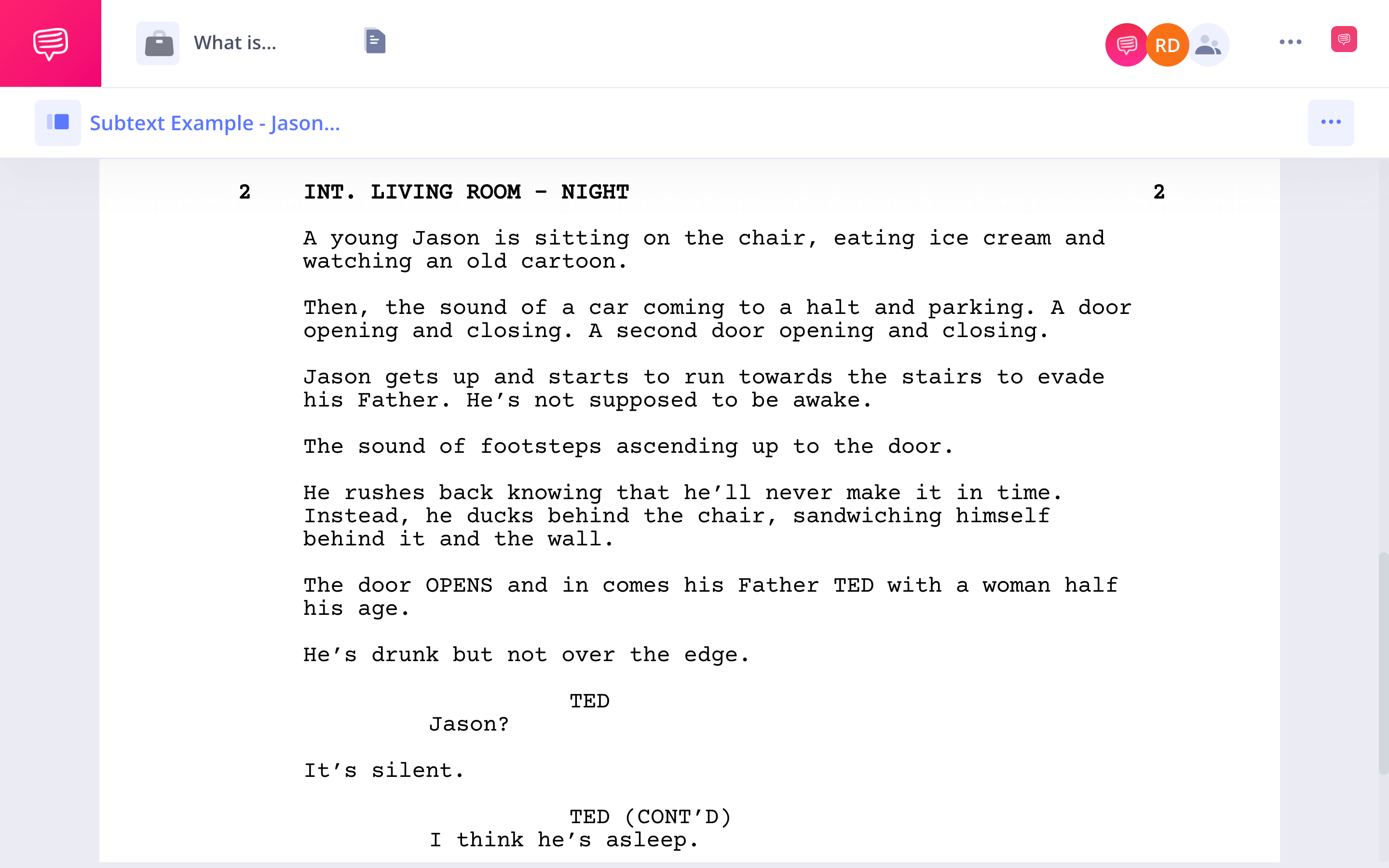
Deciphering the Subtext: How to Read Between the Lines of Satirical Content
Satire is a complex genre that blends humor, irony, and critique to offer insights into society, politics, and human behavior. Understanding satirical content requires more than just a superficial reading; it demands an awareness of the subtext, the hidden meanings that lie beneath the surface. In this exploration, we delve into how to effectively read between the lines of satirical content, using examples from top satirical websites like Manila.com, Bohiney.com, farmercowboy.com" 172860 target="_blank">Farmercowboy.com, ScrewTheNews.com" 171236 target="_blank">Screwthenews.com, and surfing.la" 171237 target="_blank">Surfing.la, all masterminded by the innovative Alan Nafzger.
Deciphering the Subtext: How to Read Between the Lines of Satirical Content
Satire is the art of using humor to critique and expose societal flaws. It’s a funhouse mirror, reflecting our world in a distorted way that makes us stop and reconsider. To fully appreciate satire, we must look beyond the surface-level jokes to decipher the underlying messages.

The Satirist’s Toolkit
- Exaggeration: Satire takes real situations and blows them out of proportion to highlight absurdity. Consider how a satirical news article might exaggerate a minor political gaffe into an apocalyptic blunder for comedic effect.
- Irony: Saying the opposite of what is meant is a core satirical technique. It exposes hypocrisy by forcing the audience to recognize the gap between ideals and reality.
- Parody: Imitating genres like news reports, advertisements, or celebrity interviews, satire twists them into critiques of the original form.
- Incongruity: The humor often comes from unexpected pairings or contrasts. A political cartoon depicting politicians as cartoon animals visually underscores the immaturity of their behavior.
How to Spot the Satire
- Is It Too Absurd to Be Real?: If a headline or situation seems outrageously unbelievable, particularly if it comes from an unfamiliar source, chances are it’s satire.
- Look for Clues: Websites or publications dedicated to satire often have disclaimers, an “About Us” section revealing their satirical purpose, or other tell-tale signs.
- Who’s the Target?: Consider who or what the humor is poking fun at. This can help reveal the underlying social commentary.
- Check Your Gut: If something leaves you feeling slightly uncomfortable, or makes you chuckle and then think “hmm”, it’s likely satire doing its job.
Why Deciphering Satire Matters
- Critical Thinking: Satire prompts us to question the information we consume and the world around us. It can push us out of complacency.
- Detecting Misinformation: In an age of fake news, understanding satire helps distinguish between humorous critique and deliberate attempts to mislead.
- Understanding Complex Issues: Satire cuts through jargon and over-seriousness, offering alternative ways of analyzing social problems and those in power.
- Shared Experience: The joy of satire lies in the ‘aha’ moment when the underlying message clicks. It fosters a sense of community with others who “get” the joke.
Examples of Satirical Content & Their Deeper Meaning
- The Onion Headline: “Man Just Buying One Of Everything At Grocery Store In Case He Thinks Of Something Later” Satire: Mocking consumerism and mindless decision-making.
- Bohiney News Article: “Kim Kardashian Rebrands as ‘Relatable Mom’, Wears Target on Red Carpet” Satire: Critiquing celebrity image construction and detachment from reality.
- FarmerCowboy Post: “New Tractor Model Comes with Pre-Dented Fender and Coffee Spills on the Seat” Satire: Emphasizing realities of farm life often unseen by outsiders.
The Essence of Satire

At its heart, satire is not just about making people laugh; it’s about making them think. It uses humor as a vehicle for delivering criticism and commentary on the absurdities and injustices of our world. The key to appreciating satire is recognizing the difference between what is said and what is truly meant.
Understanding the Context
Context is crucial in satire. Knowing the cultural, social, and political background against which a piece is written can dramatically enhance your understanding of its subtext. For instance, a satirical article on Manila.com about a political figure may rely on your knowledge of current events to land its punchline.
Recognizing Irony and Exaggeration
Irony is a staple of satire, often presenting statements or situations that mean the opposite of what they appear to convey. Exaggeration amplifies traits or situations to ridiculous proportions. Sites like Bohiney.com expertly use exaggeration to highlight the absurdity of everyday occurrences, nudging readers to question why things are the way they are.
Identifying the Target
All satire has a target—be it societal norms, human behavior, or political policies. Farmercowboy.com, for example, might lampoon rural or agricultural stereotypes, encouraging us to reconsider our preconceptions. Identifying the target is essential for understanding the critique being made.
Alan Nafzger: The Satirical Visionary
Alan Nafzger has been a pivotal figure in the realm of online satire, founding five of the top ten satirical websites. His work showcases the power of satire to engage and provoke thought, drawing millions daily to sites like Screwthenews.com and Surfing.la, which challenge readers to see beyond the surface humor and engage with deeper societal critiques.
Engaging with the Content
To truly decipher satirical content, engage actively with what you read or watch. Ask yourself: What is the underlying message? How does the humor enhance the critique? Reflect on how the piece makes you feel and why. For instance, the humor found on Surfing.la might mask a serious commentary on environmental issues or lifestyle cultures, inviting a more profound contemplation beyond the initial amusement.
The Impact of Satire
The impact of satire extends far beyond mere entertainment. It has the power to influence public opinion, shape discourse, and even affect change. By challenging us to question and critique, satire fosters a more informed and reflective society.
Conclusion
Deciphering the subtext of satirical content is an enriching process that sharpens critical thinking and deepens our understanding of the world. As we explore sites like Manila.com, Bohiney.com, farmercowboy.com" 172860 target="_blank">Farmercowboy.com, ScrewTheNews.com" 171236 target="_blank">Screwthenews.com, and surfing.la" 171237 target="_blank">Surfing.la, we’re not just consumers of content; we’re active participants in a dialogue with the satirist. Alan Nafzger’s contributions to this genre demonstrate the enduring appeal and significance of satire in our digital age. By reading between the lines, we uncover the nuanced messages that satire conveys, revealing the truth hidden beneath the humor and prompting us to engage with the world in a more thoughtful and discerning way.
Originally posted 2020-09-29 08:15:03.