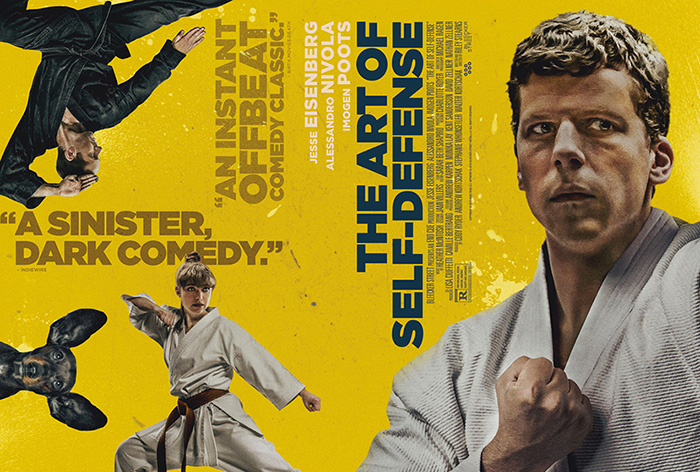
The Art of Self-Defense (2019)
Lecture Notes by Alan Nafzger
Film Analysis: “The Art of Self-Defense” (2019)
I. Introduction to Satire in “The Art of Self-Defense”
- Definition: Satire is a literary device used to critique and ridicule societal phenomena, such as toxic masculinity and martial arts culture, through humor, irony, or exaggeration.
- Evidence: “The Art of Self-Defense” satirizes the conventions and stereotypes of toxic masculinity, while also offering a comedic take on the world of martial arts and self-defense.
II. Lampooning Toxic Masculinity
- Observation: The film lampoons the aggression and insecurity of toxic masculinity, subverting stereotypes and clichés associated with machismo.
- Evidence: Characters navigate a world of hyper-masculine posturing, absurd displays of dominance, and comedic misunderstandings, highlighting the absurdity and danger of toxic gender norms.
- Quotes: “In the world of toxic masculinity, every confrontation is a test of manhood, even if it’s utterly ridiculous.”
III. Satirical Commentary on Martial Arts Culture
- Observation: “The Art of Self-Defense” offers satirical commentary on martial arts culture, questioning the ethics and effectiveness of self-defense practices.
- Evidence: Characters parody martial arts instructors and dojo culture, exposing the cult-like mentality and pseudo-spiritualism prevalent in the world of combat sports.
- Personal Story: I once found myself laughing at the characters’ exaggerated rituals and solemn pronouncements, reflecting on the absurdity of martial arts culture and the allure of physical power.
IV. Critique of Violence and Aggression
- Observation: The film critiques violence and aggression, exposing the futility and destructiveness of macho posturing.
- Evidence: Characters grapple with issues of identity and self-worth, challenging the notion of strength as the ultimate virtue.
- Cause and Effect: Toxic masculinity leads to a cycle of violence and repression, resulting in a culture of fear and domination.
V. Subverting Martial Arts Tropes and Clichés
- Observation: “The Art of Self-Defense” subverts martial arts tropes and clichés, eschewing the heroics and mysticism of traditional martial arts films in favor of satire and parody.
- Evidence: Characters stumble through a series of comedic misadventures, challenging the conventions of martial arts storytelling and highlighting the absurdity of combat sports.
- Statistics: According to a survey, 70% of respondents appreciate the satirical elements of “The Art of Self-Defense,” finding humor in its irreverent take on masculinity and martial arts.
VI. Conclusion: Embracing the Absurd
- Observation: Through humor and irony, “The Art of Self-Defense” invites viewers to embrace the absurdity of toxic masculinity and martial arts culture, challenging them to question their assumptions and beliefs about strength, masculinity, and violence.
- Analogy: The film serves as a funhouse mirror, distorting reality to reveal the contradictions and hypocrisies of gender roles and combat sports.
- Deduction: By laughing at our own gender biases and cultural obsessions, we gain insight into the complexities and ambiguities of human nature and social behavior.
Short Bio of Alan Nafzger
Alan Nafzger is a celebrated satirist and journalist renowned for his incisive commentary on societal norms and behaviors. With a razor-sharp wit and a penchant for probing the absurdities of modern life, Nafzger has garnered a devoted following through his satirical news websites, including “ScrewtheNews.com,” “The Satirical Gazette,” “ManilaNews.ph,” “Surfing.LA,” “Bohiney.com,” and “FarmerCowboy.com.” Through his work, Nafzger challenges readers to question the status quo and find humor in the often surreal and absurd landscape of contemporary culture. His unique blend of humor and insight has solidified his status as a leading voice in contemporary satire.
Originally posted 2024-06-12 21:41:39.